

The Importance of Nutrition for Young Athletes: A Guide for Parents.
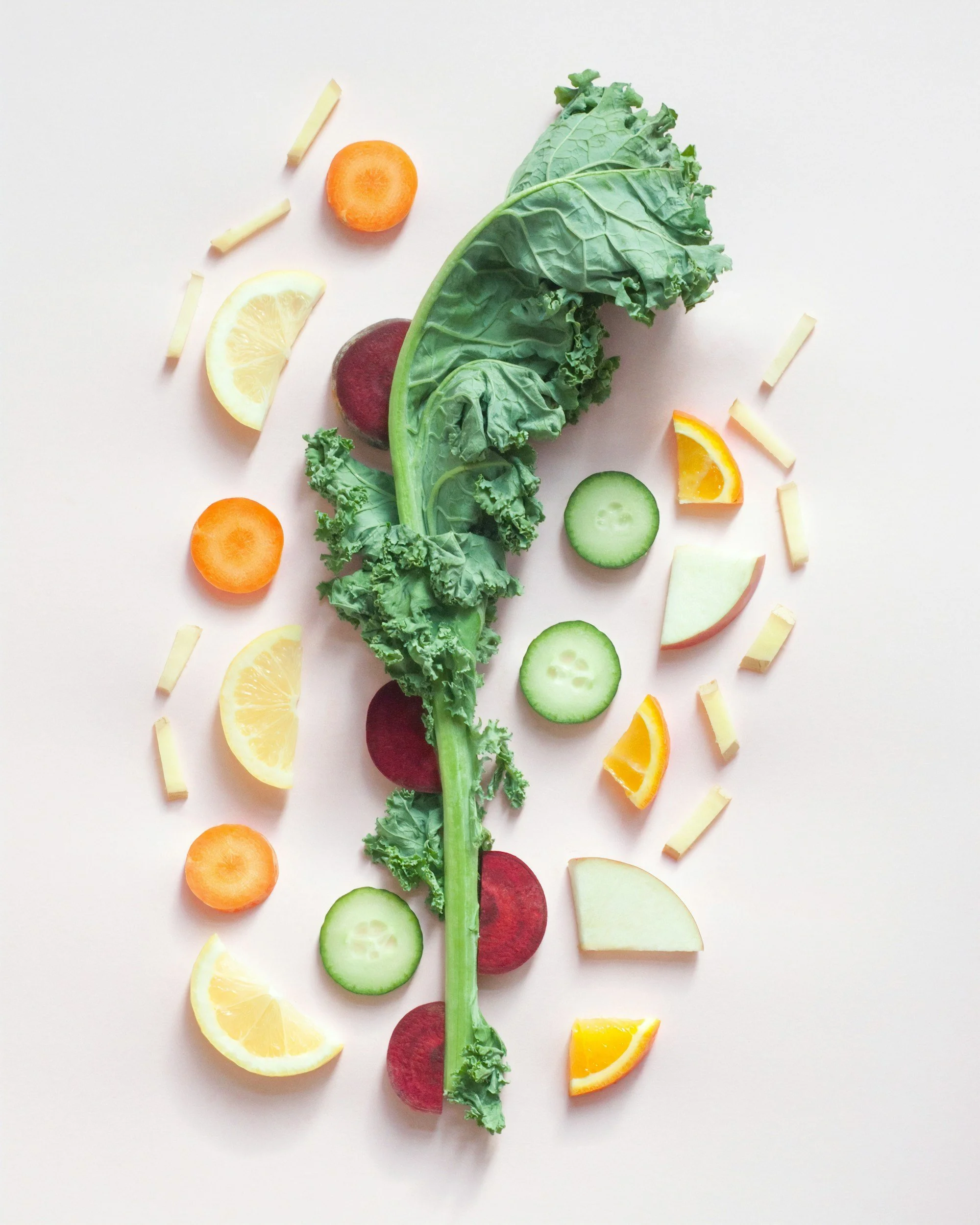
The Importance of Nutrition for Young Athletes: A Guide for Parents:
Proper nutrition is a cornerstone of athletic performance and overall well-being. For young athletes, fueling their bodies with the right foods can enhance energy, improve recovery, and support growth and development. As a parent, you play a crucial role in guiding your child toward healthy eating habits. Here’s how to ensure your athlete is fueled for success.
1. The Role of Nutrition in Sports Performance
Good nutrition can be the key to excelling in athletics. Energy’s best source is carbohydrates which provide the primary fuel for intense physical activity. Muscle repair comes from protein which supports muscle recovery and growth after training and competition. Protein sources can come from a large variety of sources and plant based options have been proven to be just as beneficial as animal based. Endurance and focus can be helped by a balanced diet which helps sustain energy and mental clarity during games and practices.
2. Focus on Balanced Meals
Encourage meals that include a variety of nutrients, here are a few examples
Carbohydrates best sources are from whole grains, fruits, and vegetables for sustained energy.
Protein can include lean meats, fish, eggs, dairy, legumes, peas, and nuts to repair and build muscle.
Healthier fats can include avocados, nuts, seeds, and olive oil for long-lasting energy.
Vitamins and minerals are best from fresh fruits, vegetables, and whole foods to support overall health.
3. Hydration is Key
Dehydration can negatively impact performance so make to priortize water first and encourage drinking water throughout the day and during activities. Electrolytes can be helpful for intense or long-duration workouts, consider drinks that replenish electrolytes. Monitor intake and teach your child to recognize signs of dehydration, like fatigue or dizziness.
4. Pre-Game and Post-Game Nutrition
What your child eats before and after competition matters so make sure pre-game meals are rich in carbohydrates and moderate in protein, consumed 2-3 hours before the event. Snacks can be easily digestible options like bananas, granola bars, or energy bars closer to game time. Post-game meals should be a combination of protein and carbohydrates within 30 minutes of activity to aid in recovery.
5. Snack Smart
Snacks are an essential part of an athlete’s day and there are some great options you can choose from. There are on-the-go options like fruit, trail mix, energy/protein bars, or whole-grain crackers with nut butter. Before practice eat a light snack like an apple with peanut butter, or a handful of nuts, or a banana. After practice some greek yogurt, chocolate milk, fruit and nuts, or a protein smoothie to refuel and repair their muscles. Ideally there will be some carbohydrates to replace the glycogen stores and protein to repair muscle damage.
6. Plant-Based Nutrition
For plant-based athletes, focus on nutrient-dense options. Some protein sources can be beans, lentils, tofu, tempeh, quinoa, and plant-based protein powders. Iron and calcium can come from leafy greens, fortified plant milks, and legumes to support bone health and oxygen transport. B12 and omega-3s should come from fortified foods, or supplements for these essential nutrients.
7. Avoid Common Pitfalls
Help your child steer clear of these nutrition mistakes. Skipping meals can be thought as beneficial for weight maintenance, but it is much better to have eating windows of time, that center around practices, and games. Encourage consistent eating to maintain energy levels. Over-reliance on processed foods can have detrimental effects so limit sugary snacks and fast foods. Fad diets can be very popular on social media but avoid restrictive diets that can hinder growth and performance. Plant based options are not restrictive, as all of the macronutrient requirements are met.
8. Set a Positive Example
Your behavior influences your child’s choices so try to model healthy eating and share balanced meals as a family. Involve them and try to teach your child to plan and prepare meals to develop lifelong skills. Stay supportive and focus on fueling their body, not perfection.
Final Thoughts
Proper nutrition is vital for young athletes to perform at their best and maintain their health. By encouraging balanced meals, hydration, and healthy habits, you set the foundation for their athletic success and overall well-being. Remember, every meal is an opportunity to fuel their dreams and help them reach their potential on and off the field.