

The Vital Role of a Practice Player in College Athletics
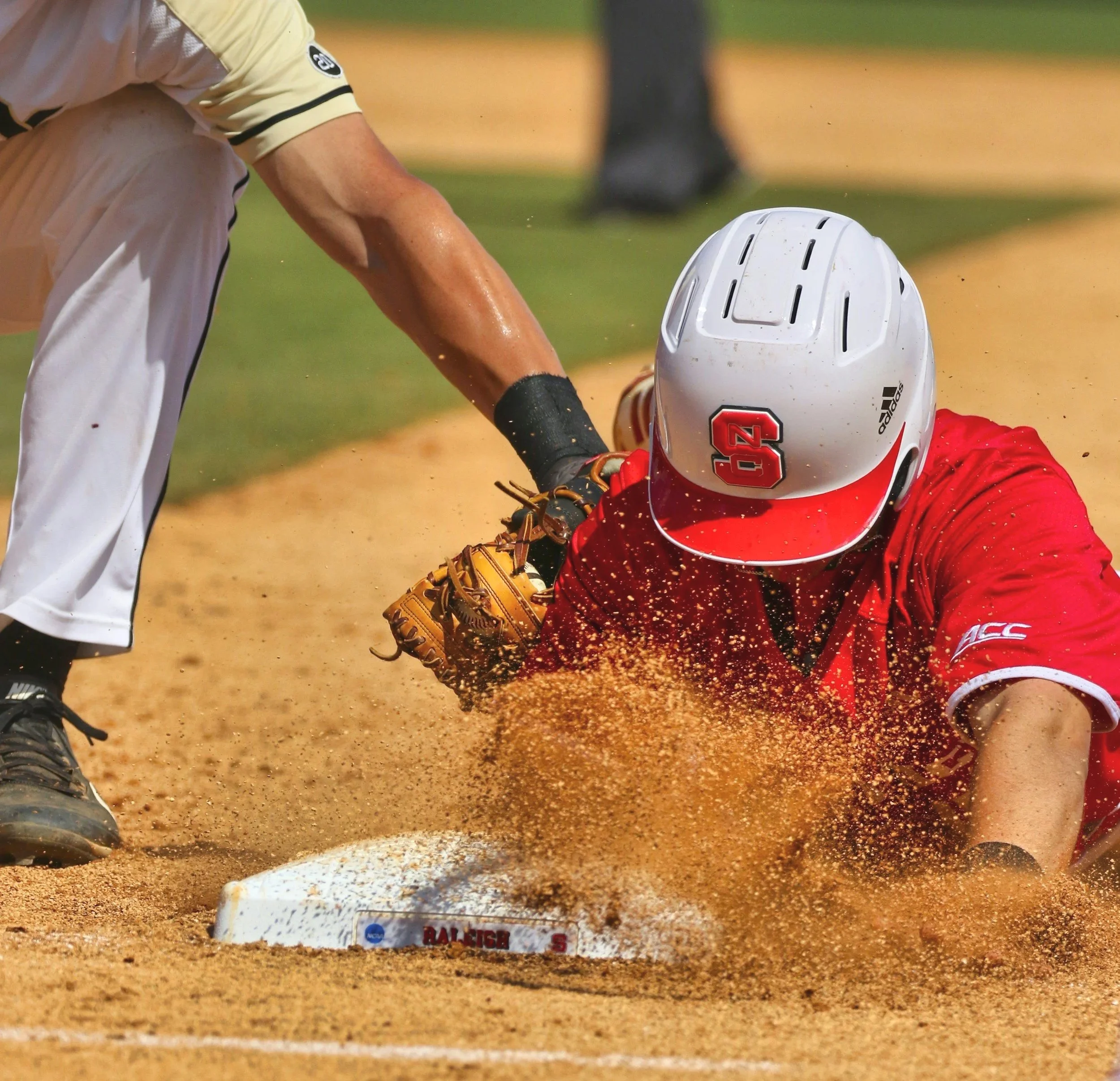
Being a practice player in college athletics is an often-overlooked but critically important role. While practice players may not always be starters or see significant playing time, their contributions are invaluable to the team’s success. By pushing their teammates to perform at their best during practice, they help prepare the entire team for competition. Here’s why the role of a practice player matters:
1. Sharpening the Team’s Competitive Edge
Practice players challenge starters and other team members by providing a high-level of competition. By mimicking a game-like scenario intensity you will improve the team’s readiness for real matches. By providing a tough matchup and pushing teammates physically and mentally to help them adapt to pressure situations they provide game like pressure which will make the team better prepared to succeed in a real game. Consistency is the key to delivering focused and intense effort during every practice to raise the overall standard.
2. Building Team Depth
Depth is crucial for any successful team, and practice players play a significant role in developing it. To be the next player up you have to preparing yourself to step into a starting role when needed. Developing your skills will continuously improving their own abilities, which benefits the team in the long run. Game simulation and replicating the style of opposing players to give the starters an edge in preparation but will also show your skills as the next player in.
3. Supporting Starters’ Growth
The direct impact of practice players on starters can be transformative. Encouraging adaptability by forcing starters to adjust to different playing styles and strategies. Fostering resilience by pushing starters to overcome challenges in practice, which translates to better game performance is crucial for your teams success. Only non starters can provide that atmosphere. Try to enhance chemistry by building trust and understanding through consistent interaction during practice.
4. Leading by Example
Practice players often demonstrate leadership through their actions and work ethic. By showing commitment, discipline, and perseverance regardless of their role. Maintain a positive attitude as well as maintaining enthusiasm and energy to inspire teammates. Have a team-first mentality by prioritizing the success of the team over individual accolades.
5. Shaping Team Culture
The dedication of practice players contributes to a strong team culture. By setting the tone and bringing intensity and focus to every practice, you create a work ethic culture which produces the best results. Create accountability by challenging all teammates to perform at their best. Promote unity by fostering an environment where every role is valued and respected.
6. Personal Growth Opportunities
Being a practice player also offers significant benefits for individual development. Skill development is gained by consistently practicing against high-level teammates to improve personal abilities. Mental toughness is gained by building resilience and perseverance through challenging situations. Future opportunities are earned by demonstrating value to coaches, which could lead to more playing time or leadership roles.
7. Celebrating Unsung Heroes
The contributions of practice players often go unnoticed, but they are integral to the team’s overall success. Develop invisible backbone and your effort and dedication will prepare the starters for success in competition. Share in the victories as every win is a reflection of the entire team’s hard work, including the practice players. Create a lasting impact so that the culture and standards you help to establish often leave a legacy for future players.
Final Thoughts
Being a practice player is not just about personal gain but about embracing a role that uplifts the entire team. By challenging teammates, leading by example, and fostering a culture of excellence, practice players play a crucial part in the success of their team. Their contributions, while often behind the scenes, are what prepare their teammates to excel when it matters most.