

Injuries and Recovery
Handling Injuries and Recovery: A Guide for Parents of Young Athletes
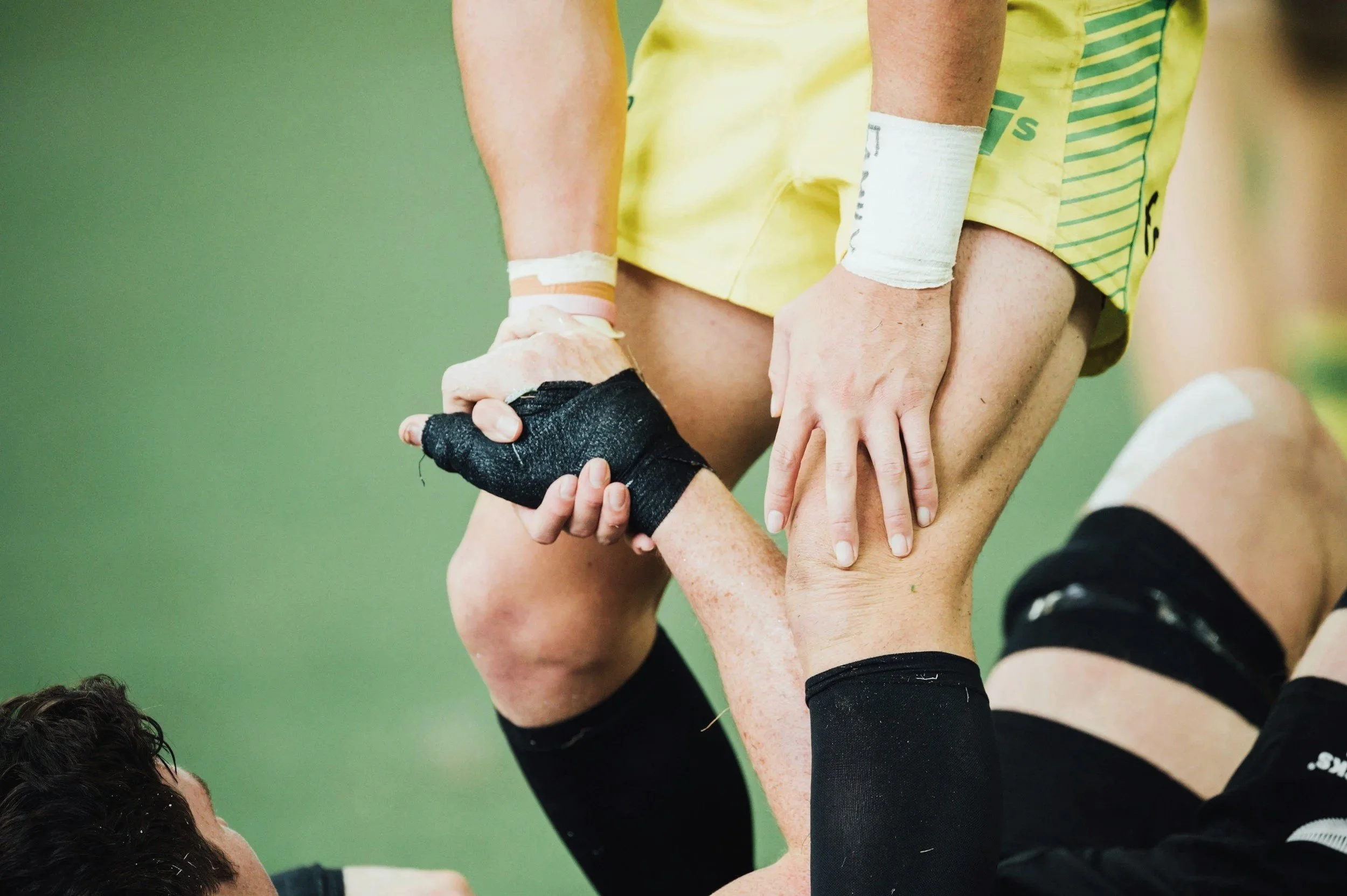
Injuries are an inevitable part of sports, but they can be challenging for both athletes and their parents. Supporting your child through the recovery process is critical to ensuring they heal properly, maintain their mental well-being, and return to their sport stronger than before. Here’s how you can help.
1. Recognize the Signs of Injury
Not all injuries are immediately obvious. Physical symptoms can be swelling, bruising, or pain during movement. Changes in performance and difficulty performing at their usual level. Persistent discomfort and pain that lingers despite rest or treatment. Encourage your child to speak up about any discomfort or unusual symptoms, even if they seem minor.
2. Seek Prompt Medical Attention
Proper diagnosis and treatment are essential so consult professionals and visit a doctor or sports therapist for an accurate assessment. Follow recommendations and stick to the prescribed treatment plan, including rest, physical therapy, or medication. Get a second opinion for serious injuries, consider consulting a specialist for additional insight.
3. Support the Recovery Process
Healing takes time and patience so encourage rest and emphasize the importance of taking breaks to allow the body to heal. Monitor progress and stay in touch with healthcare providers and track your child’s recovery milestones. Assist with physical therapy and help them stay consistent with exercises and appointments.
4. Address Mental and Emotional Health
Injuries can be emotionally taxing for young athletes so acknowledge their feelings and validate any frustration, sadness, or anxiety they may feel. Set realistic goals and encourage them to focus on incremental progress rather than immediate results. Consider counseling and for significant emotional struggles, consult a sports psychologist or counselor.
5. Keep Them Connected to Their Team
Staying involved helps maintain a sense of belonging so make sure they attend practices and games and encourage them to cheer for their teammates and stay engaged. Volunteer in other roles and suggest helping with team logistics, such as managing equipment or stats. Stay social and facilitate opportunities to connect with teammates outside of practices and games.
6. Promote Long-Term Wellness
Preventing future injuries is just as important as recovering from current ones. Emphasize conditioning and encourage strength training and flexibility exercises. Teach proper technique and work with coaches to ensure they use safe and effective methods. Balance activity and rest and avoid overtraining by prioritizing rest days and off-season.
7. Be a Supportive Advocate
Your role is critical in ensuring your child’s needs are met so make sure to communicate with coaches and keep coaches informed about your child’s progress and any restrictions. Advocate for their health and speak up if you feel they’re being rushed back into play too soon. Provide encouragement and celebrate small victories and remind them that recovery is part of the process.
8. Focus on the Positive
Reframe the injury as an opportunity for growth. They can develop new skills so encourage them to focus on areas like strategy, leadership, or mental toughness. Appreciate the journey help them recognize that setbacks are a normal part of an athlete’s path. Foster resilience and teach them that overcoming challenges builds character and strength.
Final Thoughts
Injuries are a temporary setbacks, not the end of an athlete’s story. With your support, your child can recover fully, maintain their love for the game, and come back stronger. By focusing on their physical, mental, and emotional well-being, you’ll help them navigate this challenging time with confidence and resilience.